Power Generation
The world's electrical infrastructure is built on advanced electromechanical technology rather than digital electronics.
The transistor was never invented, resulting in a technological path centred around relay banks, vacuum tubes, analogue instrumentation, mechanical calculators, and punch-card systems.
Rather than relying on compact digital electronics, society operates through extensive electromechanical networks. Control systems are distributed throughout cities, industrial districts, transportation hubs, and utility facilities. Local control centres manage individual systems while remaining connected to broader SSC administrative and infrastructure networks.
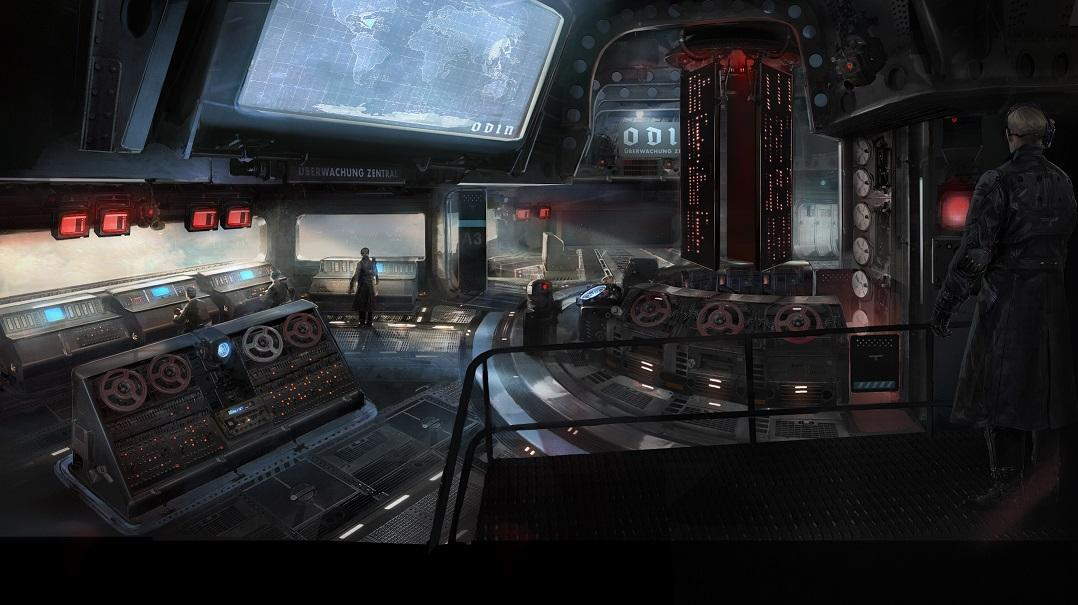
This allows society to operate highly complex infrastructure through large-scale coordination, extensive maintenance, and a substantial workforce of technicians, operators, and engineers.
Society is capable of maintaining continent-spanning transportation, communication, industrial, and utility networks through a combination of automation, standardisation, and human oversight.
Power generation relies primarily on steam-driven turbine systems regardless of fuel source. Whether powered by geothermal heat or coal combustion, electricity is generated through the same underlying principle: heat produces steam, steam drives turbines, and turbines generate electrical power.
A core principle of SSC engineering is redundancy.
Critical infrastructure is deliberately designed with overlapping systems, reserve capacity, and multiple operational methods. SSC doctrine teaches that no essential service should depend on a single source of power, fuel, transport, or control.
The Old World
Geothermal Generation
The Old World derives the overwhelming majority of its electricity from geothermal energy.
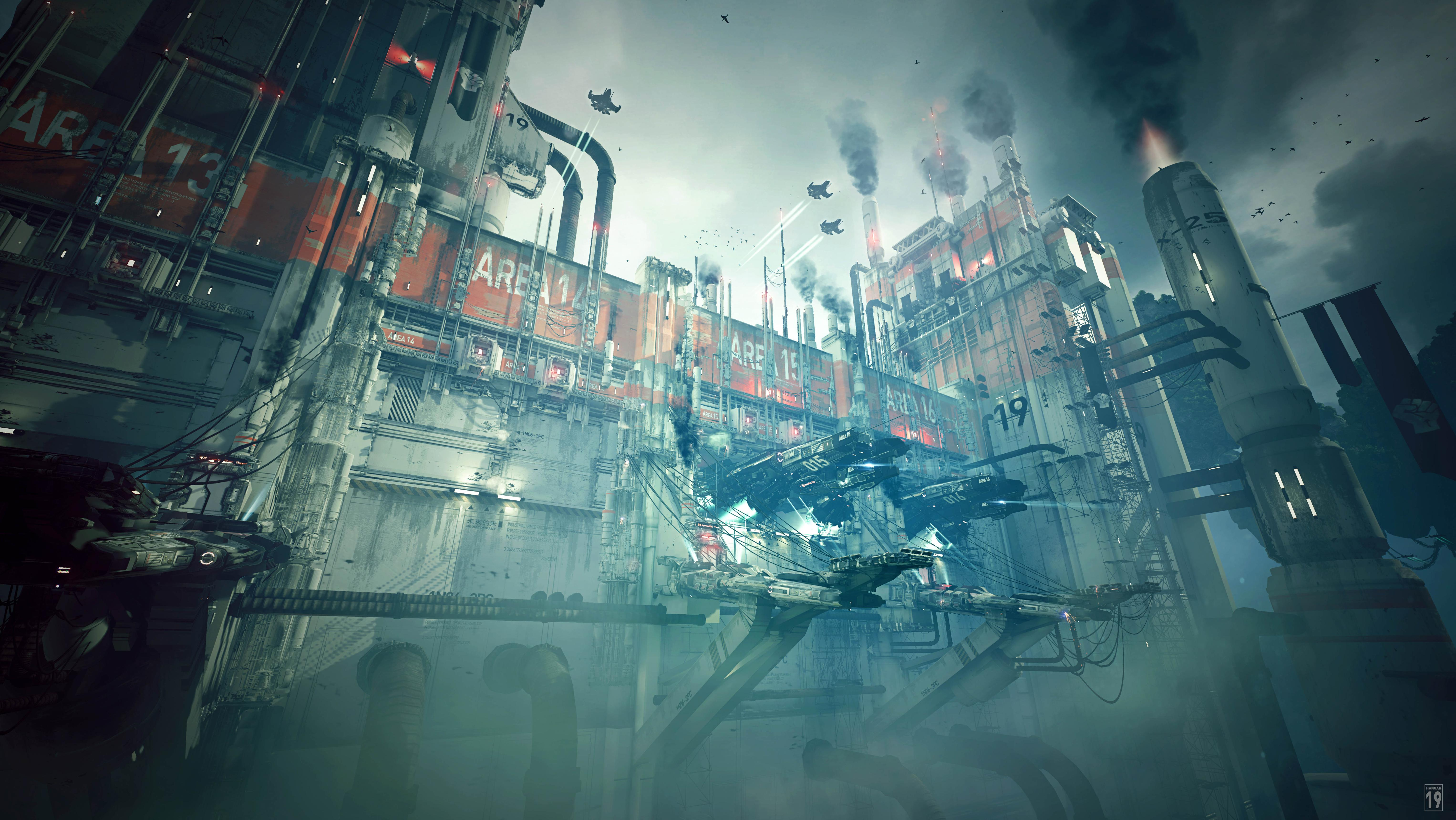
Massive geothermal generation complexes are constructed above major geothermal fields and form the backbone of the national power grid. These facilities are among the largest structures in society, consisting of turbine halls, steam separation plants, pressure reservoirs, cooling systems, transmission substations, and extensive maintenance infrastructure.
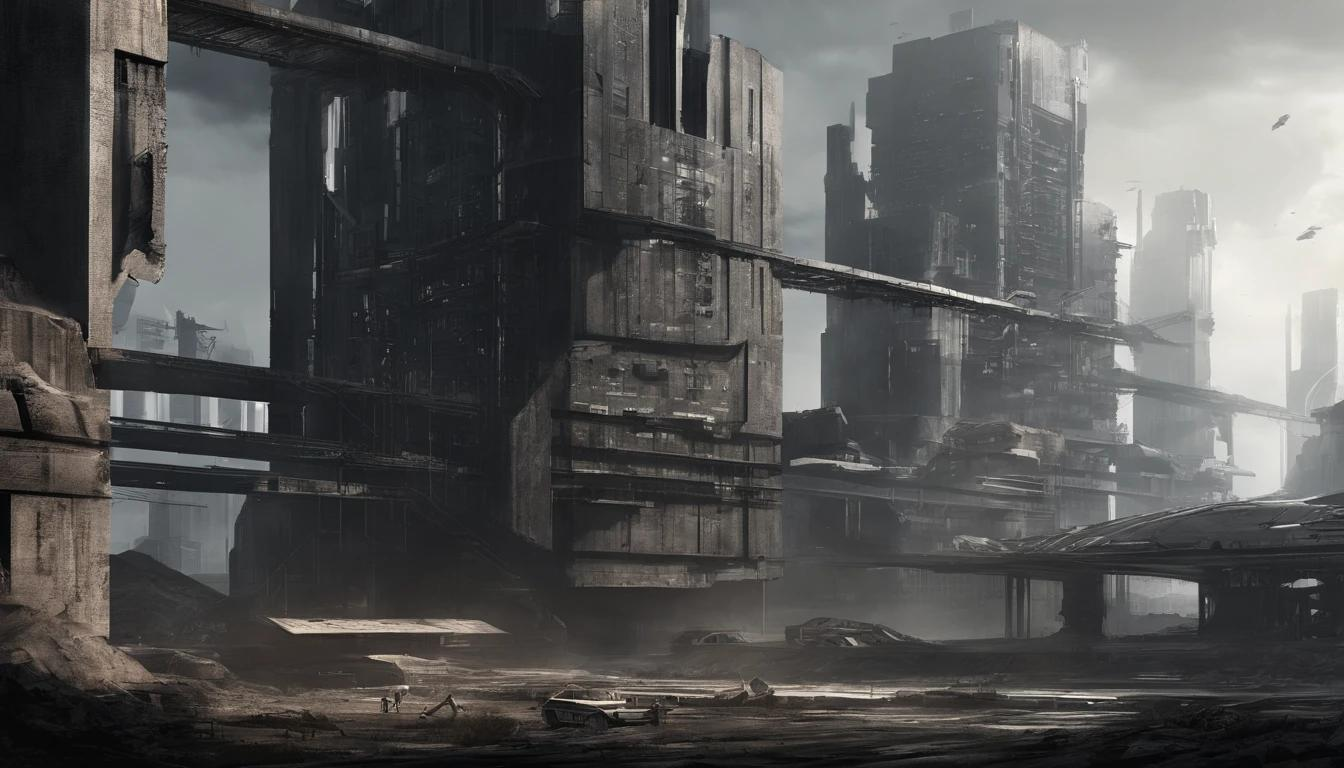
SSC Corporation presents geothermal power as proof of the Charter's success. Citizens are taught that humanity has learned to harness the planet itself, creating a stable and sustainable foundation for civilisation.
Geothermal Complexes
Geothermal facilities are brutalist industrial monuments constructed from reinforced concrete and steel.
Constant clouds of steam rise from vast pipe networks and cooling towers. Entire settlements often exist solely to support nearby generation facilities.
In addition to electricity production, geothermal complexes provide industrial steam, district heating, and process heat for nearby manufacturing centres.
Because these facilities are considered critical infrastructure, access is tightly controlled and security is extensive.
Coal Reserve Network
Although geothermal power supplies most electrical demand, SSC Corporation maintains a network of coal-fired reserve power stations throughout the Old World.
These facilities are used during maintenance shutdowns, transmission failures, emergency demand spikes, and other disruptions.
Officially, their existence demonstrates responsible planning and preparedness. Citizens are taught that civilisation remains stable because SSC engineers prepare for every contingency.
National Grid
Electricity is distributed through a continent-spanning transmission network managed by the Infrastructure Directorate.
High-voltage transmission lines connect geothermal complexes to cities, factories, transportation systems, ports, and industrial districts.
The grid is highly centralised and tightly regulated. Independent large-scale generation is discouraged, making access to electricity inseparable from participation in SSC-managed society.
The New Frontier
Coal-Powered Expansion
Unlike the Old World, the New Frontier lacks significant geothermal resources. Resource Directorate surveys found no geothermal fields capable of supporting large-scale power generation.
As a result, Frontier electricity is currently generated from a single major industrial city located at the beginning of the railway network.
Coal extracted from mining settlements throughout the Frontier is transported by rail back to the city where it fuels large power stations, refineries, foundries, processing plants, and other industrial facilities. Raw resources arrive from across the continent, are processed into useful goods, and are then redistributed along the railway or shipped back to the Old World.
Electrical distribution currently follows the railway corridor. Settlements, depots, mines, and industrial facilities receive power only if they are connected to the railway network.
Frontier Settlements
The railway serves as the backbone of Frontier civilisation.
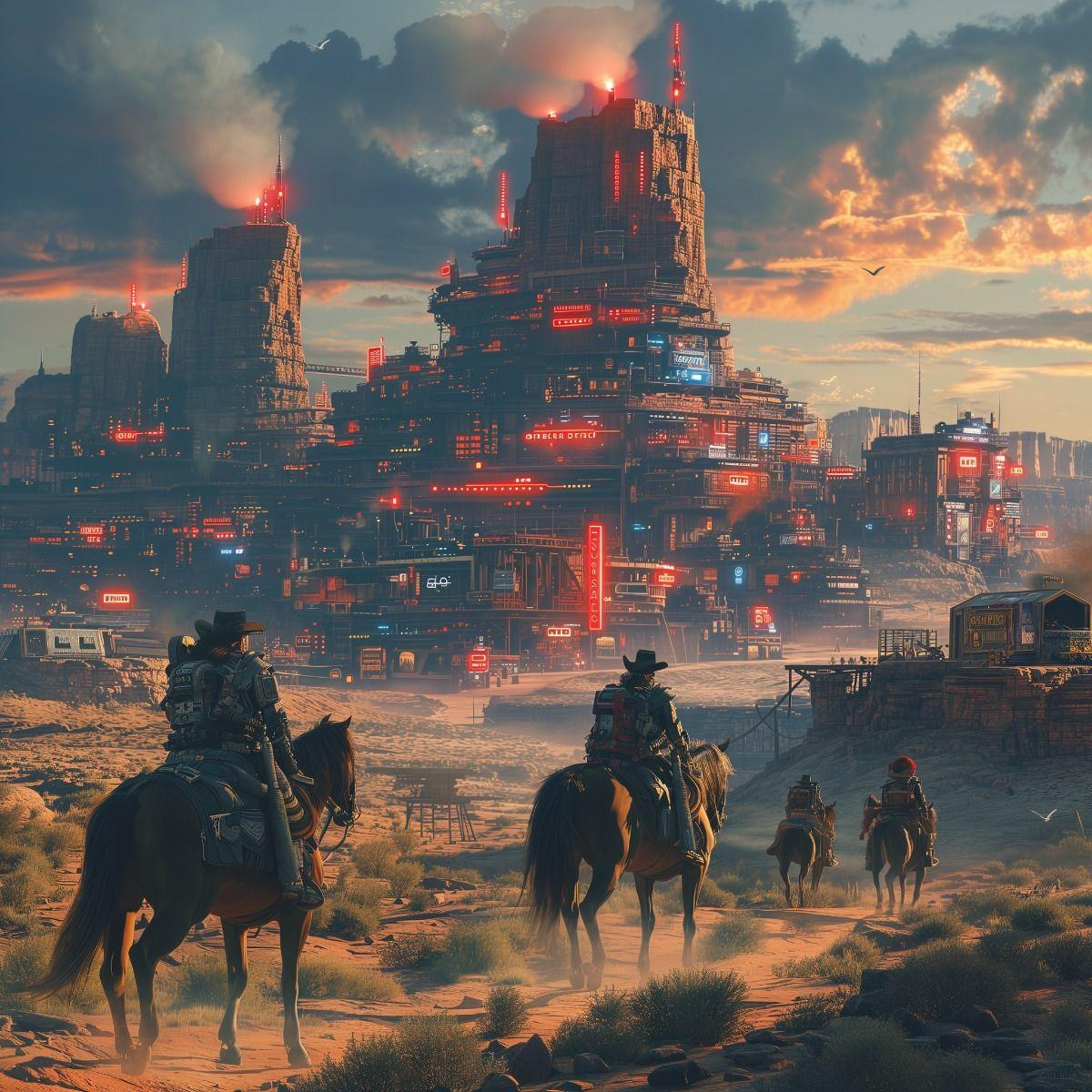
Most settlements exist to support mining, railway operations, surveying, resource extraction, or expansion efforts further inland. Power lines run alongside the railway, linking settlements back to the industrial city and the Frontier's primary generating facilities.
Beyond the reach of the railway, electricity becomes scarce. Remote camps and outposts rely on portable generators, steam-powered machinery, animal labour, or manual labour to operate.
The result is a landscape dominated by smoke stacks, ash yards, boiler houses, machine workshops, fuel depots, rail terminals, transmission towers, and maintenance facilities.
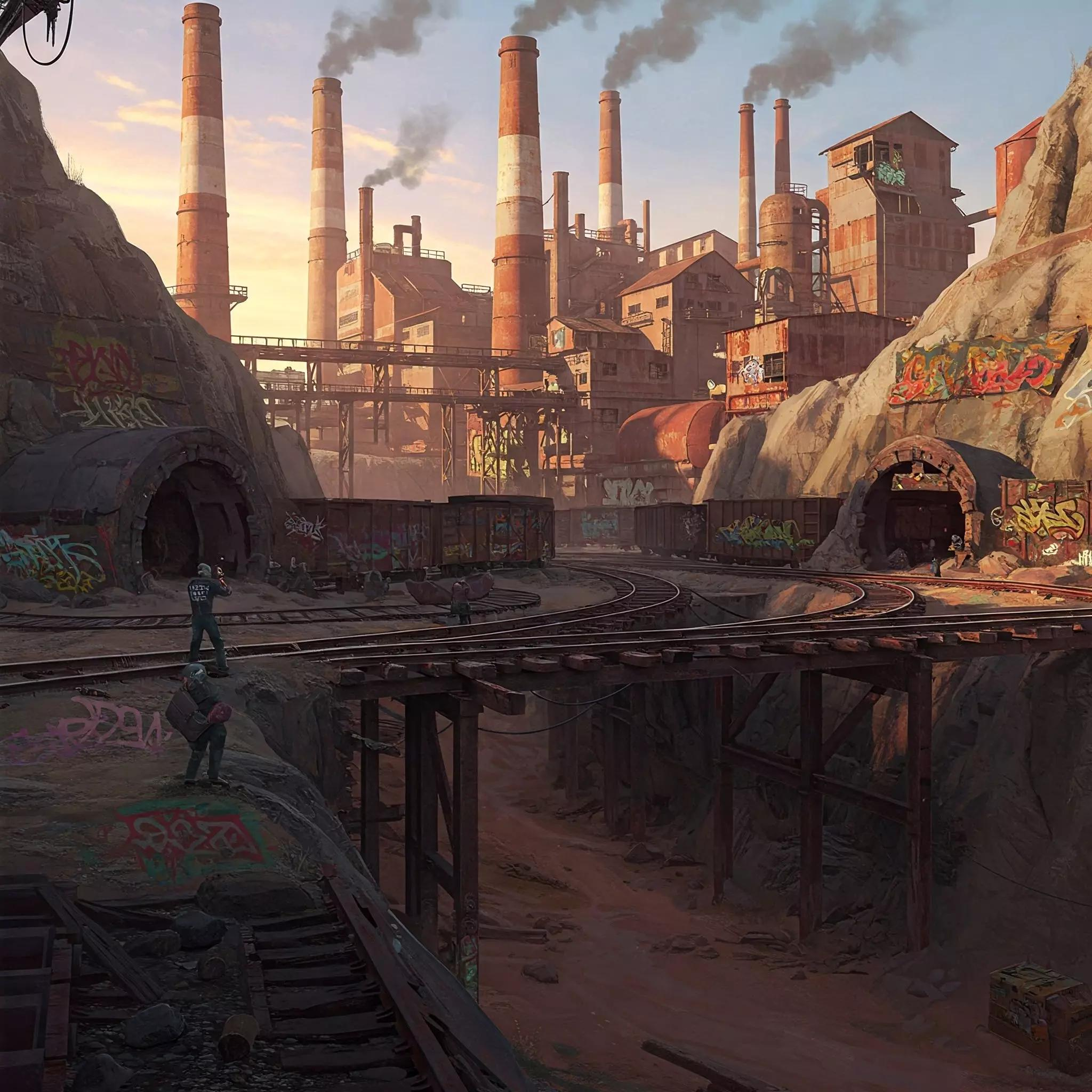
Compared to the orderly cities of the Old World, Frontier settlements are harsher, dirtier, and visibly industrial.
Strategic Importance
Officially, Frontier coal production exists to power local settlements and maintain emergency reserves for the Old World.
In practice, Frontier coal has become essential to industrial growth, railway expansion, manufacturing, mining operations, and reserve power generation throughout SSC territory.
The Frontier Directorate frequently portrays coal extraction as a civic duty equal in importance to geothermal generation.
Citizens are taught that geothermal power sustains civilisation while coal safeguards and expands it.
Frontier Rail Power
The Frontier railway operates a mixed fleet of steam and diesel locomotives.
Steam locomotives remain common because coal is abundant, locally available, and easily stockpiled. They can be repaired in remote settlements and require minimal dependence on complex supply chains.
Diesel locomotives are used for priority freight, passenger services, military transport, and high-value corporate shipments. They are faster and more efficient but require refined fuel and specialised maintenance.
SSC Corporation intentionally maintains both systems.
If diesel supplies are disrupted, steam locomotives continue operating. If coal production is interrupted, diesel locomotives can maintain critical routes.
The railway therefore serves as one of the clearest examples of SSC's commitment to infrastructure redundancy.
Public Narrative
Public Information broadcasts frequently contrast the Old World and the New Frontier.
The Old World represents order, stability, and the maturity of civilisation through geothermal power.
The New Frontier represents sacrifice, labour, and expansion through coal power.
Together, both systems are presented as necessary expressions of the Charter's mission: one preserving civilisation and the other advancing it.